Introduction
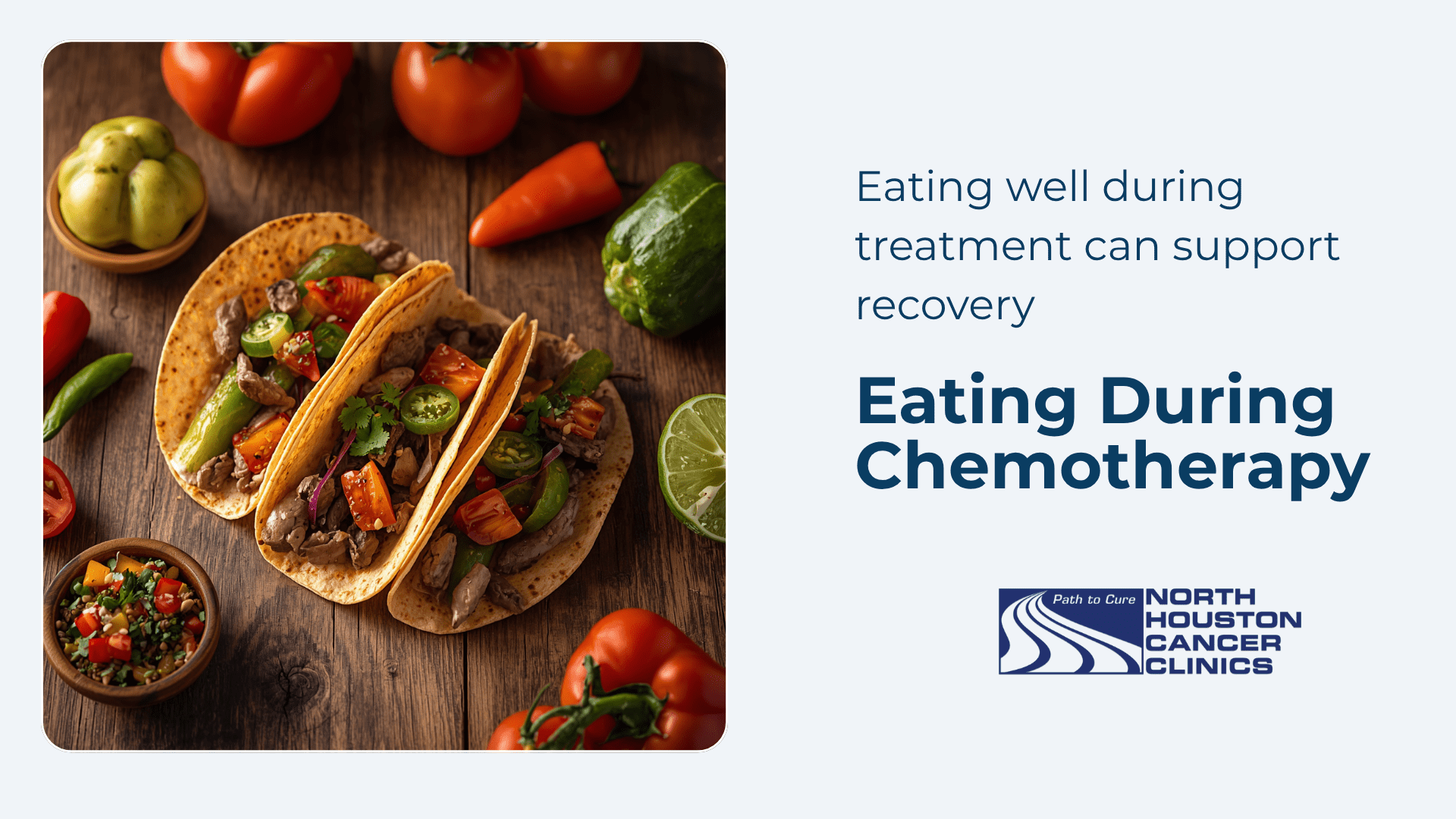
When you or someone you love is going through cancer treatment, food can feel complicated. Some days your appetite is strong, and other days eating feels like a challenge. The good news is that simple, wholesome meals — like a colorful plate of black bean and sautéed veggie tacos — can be both easy to prepare and genuinely good for your body. Eating well is one of the most practical ways patients can support their health during treatment, and it does not have to be overwhelming.
At North Houston Cancer Clinics, we work with patients across The Woodlands, Conroe, Spring, Tomball, Huntsville, Willis, Trinity, and Livingston who are navigating cancer care every day. We know that what you eat matters — and we want to help make that part of your journey a little easier.
Why Nutrition Matters in Cancer Care
Good nutrition during cancer treatment helps your body stay as strong as possible. It can support your immune system, help you maintain a healthy weight, and give you energy for daily activities. Some research also suggests that eating a diet rich in vegetables, legumes, and whole foods may help reduce inflammation in the body — something that matters a great deal when you are in treatment or recovery.
Plant-based meals are a great place to start. Foods like black beans, bell peppers, onions, corn, and leafy greens are packed with fiber, vitamins, and antioxidants. These nutrients support overall wellness and can be gentle on a digestive system that may be sensitive during treatment.
What Makes a Cancer-Friendly Meal
A cancer-friendly meal does not have to be complicated. Focus on colorful vegetables, lean proteins like beans or fish, whole grains, and healthy fats like avocado or olive oil. Meals that are easy to chew, mild in flavor, and high in nutrients are often the most practical choices — especially during weeks when treatment side effects affect your energy or appetite.
- Choose a variety of colorful vegetables — each color brings different nutrients
- Incorporate plant-based proteins like black beans, lentils, or chickpeas
- Use whole grain tortillas or brown rice instead of refined carbohydrates
- Add healthy fats from avocado, nuts, or olive oil to help absorb key vitamins
- Keep meals simple and prep-friendly for days when energy is low
Risk Factors That Make Good Nutrition Even More Important
Certain patients may need to pay closer attention to nutrition during cancer care. Those undergoing intensive treatment, managing multiple health conditions like diabetes or heart disease, or who have experienced significant weight loss may have higher nutritional needs. Older adults and patients with gastrointestinal cancers may also face greater challenges with eating and digestion. If any of these apply to you, your oncologist or care team can connect you with a registered dietitian who specializes in oncology nutrition.
How Your Care Team Guides Your Nutrition Plan
Every patient is different, and nutrition recommendations can vary based on your diagnosis, treatment plan, and overall health. Your care team at a hematology-oncology practice like ours can help you understand what foods to focus on — and which to avoid — based on your specific situation. Do not hesitate to bring up questions about eating habits at your next appointment. These conversations are an important part of whole-patient cancer care.
Treatment Options and Their Impact on Appetite
Different cancer treatments can affect how you feel about food. Chemotherapy may cause nausea, taste changes, or mouth soreness. Immunotherapy can sometimes cause digestive side effects. Targeted therapy and radiation therapy may also affect appetite depending on the area being treated. Hormone therapy, bone marrow transplant, and stem cell transplant patients often have specific dietary guidelines to follow during recovery. Understanding how your treatment options might affect your appetite helps you plan ahead and stay nourished through each phase of care.
When to Talk to Your Oncologist About Nutrition
You should bring up nutrition with your oncologist if you are losing weight without trying, struggling to eat due to nausea or pain, noticing significant changes in how food tastes, or feeling too fatigued to prepare meals. These are not minor concerns — they can affect how well your body tolerates treatment. Early conversations with your care team make it much easier to address these issues before they become more serious.
Contact North Houston Cancer Clinics
Whether you are a new patient exploring your treatment options or an established patient looking for better support during your cancer journey, we are here for you. To schedule a consultation with our care team, please contact us at North Houston Cancer Clinics. We proudly serve patients across The Woodlands, Conroe, Spring, Tomball, Huntsville, and surrounding communities. Reach out today to set up your appointment and take the next step in your care.