
Breast Cancer
If any of your friends or relatives are facing the issue of breast cancer, don't waste time and take the first step toward North Houston Cancer Clinics. We are here to provide comprehensive care with consultation to give you the best experience. We have trained staff for effective breast cancer diagnosis and breast cancer treatments. Let us help you in your cancer care journey.
What Is Breast Cancer ?
Breast cancer is the most common type of cancer diagnosed in the United States. Breast Cancer is a disease that causes abnormal cell growth, which can spread throughout the body. It can become fatal. Breast cancer cells can start growing inside the milk ducts and lining of the breast. In the early stages, it is not fatal but spreads from one part to another with time r and becomes chronic. It will grow into a rigid mass inside the breast, which will cause pain and redness.
What Is Breast Cancer?
Breast cancer begins when cells in the breast grow and divide in an uncontrolled way, forming a tumor. It is one of the most commonly diagnosed cancers among women in the United States, though it can also affect men. The good news is that advances in early detection and treatment have given patients more options than ever before.
At North Houston Cancer Clinics, we believe that understanding your diagnosis is one of the most empowering things you can do. Our team of board-certified oncologists takes time to explain what is happening in your body, what your pathology report means, and what your options are — in plain language, not medical jargon.
Common Types of Breast Cancer
When people talk about cancer types breast cancer falls into several distinct categories, and knowing your specific type is a key part of building the right treatment plan. The most common types include:
- Ductal Carcinoma In Situ (DCIS): A non-invasive form where abnormal cells are found inside the milk ducts but have not spread to surrounding tissue.
- Invasive Ductal Carcinoma (IDC): The most common type of breast cancer, where cancer cells break through the duct walls and may spread to nearby tissue.
- Invasive Lobular Carcinoma (ILC): Cancer that begins in the lobules, the glands that produce milk, and can spread to surrounding areas.
- Triple-Negative Breast Cancer: A type that lacks three common receptors, which affects which treatments are most effective.
- HER2-Positive Breast Cancer: A type that overexpresses the HER2 protein and may respond well to targeted therapies.
- Hormone Receptor-Positive Breast Cancer: Fueled by estrogen or progesterone, this type is often treated with hormone-blocking therapies.
Your oncologist will review your pathology results carefully to identify your specific type and what that means for your care.
How Breast Cancer Is Diagnosed
A breast cancer diagnosis typically begins with imaging — such as a mammogram or ultrasound — followed by a biopsy to examine the tissue. Additional tests may include MRI scans, genetic testing, and hormone receptor analysis. These results help your care team understand not just whether cancer is present, but what kind it is and how it is likely to behave.
Our North Houston team coordinates closely with radiologists, surgeons, and pathologists to make sure your diagnostic process is thorough and as smooth as possible.
Breast Cancer Treatment Approaches
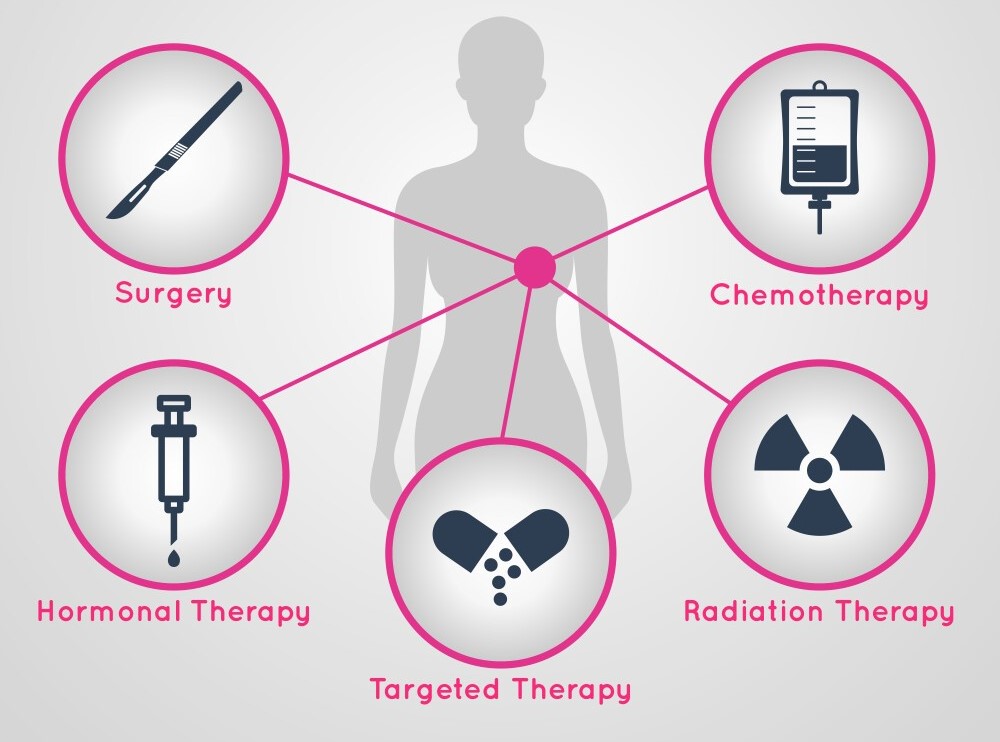
Treatment depends on the type and stage of breast cancer, your overall health, and your personal goals. At North Houston Cancer Clinics, treatment plans may include one or more of the following:
- Chemotherapy: Medications that work to destroy cancer cells or slow their growth.
- Targeted Therapy: Treatments that focus on specific proteins or genes involved in cancer growth.
- Hormone Therapy: Medications that block hormones from fueling hormone receptor-positive cancers.
- Immunotherapy: Treatments that help your immune system recognize and fight cancer cells.
- Radiation Therapy Coordination: We work with trusted radiation partners in the North Houston area to coordinate this part of your care.
Every treatment plan is individualized. Your oncologist will walk you through the options that make the most sense for your specific diagnosis.
What to Expect at Your First Appointment
We know that walking into an oncology clinic for the first time can feel overwhelming. At North Houston Cancer Clinics, we work hard to make your first visit feel as calm and supportive as possible. During your initial consultation, your oncologist will review your medical history and any existing test results, discuss your diagnosis in detail, answer all of your questions, and outline a recommended path forward. You are welcome to bring a family member or friend for support.
Support Resources for Breast Cancer Patients
Treatment is just one part of your journey. We are also here to connect you with support resources that address the emotional, practical, and financial aspects of a cancer diagnosis. Ask our care team about navigation services, referrals to local support groups, and resources through organizations like the American Cancer Society and Susan G. Komen. You do not have to navigate this alone.
Breast Cancer Treatments & Diagnostics
Breast Cancer diagnosis is the primary key to its treatment. Mainly, breast cancer treatment is done by surgery, which removes tumors and cancer cells. At North Houston Cancer Clinics, we provide our patients with effective treatment plans and expert advice. We promise to provide safe and effective diagnosis and treatment to our patients.
Standard test procedures used to detect breast cancer are listed below. At North Houston Cancer Clinic, we provide the best diagnosis and breast cancer treatments for our patients. The type of test performed depends upon the patient’s health, age, and results of other medical reports.
After observing a lump or pain in the breast, the following test will be performed to diagnose the breast cancer to accomplish effective breast cancer treatment further.
Breast Imaging Test, which includes x-rays, ultrasound, MRI, etc.
Breast Biopsy
Genomic Test
Blood Tests
Staging workup with body scan and Pet Ct
Common Types Of Breast Cancer
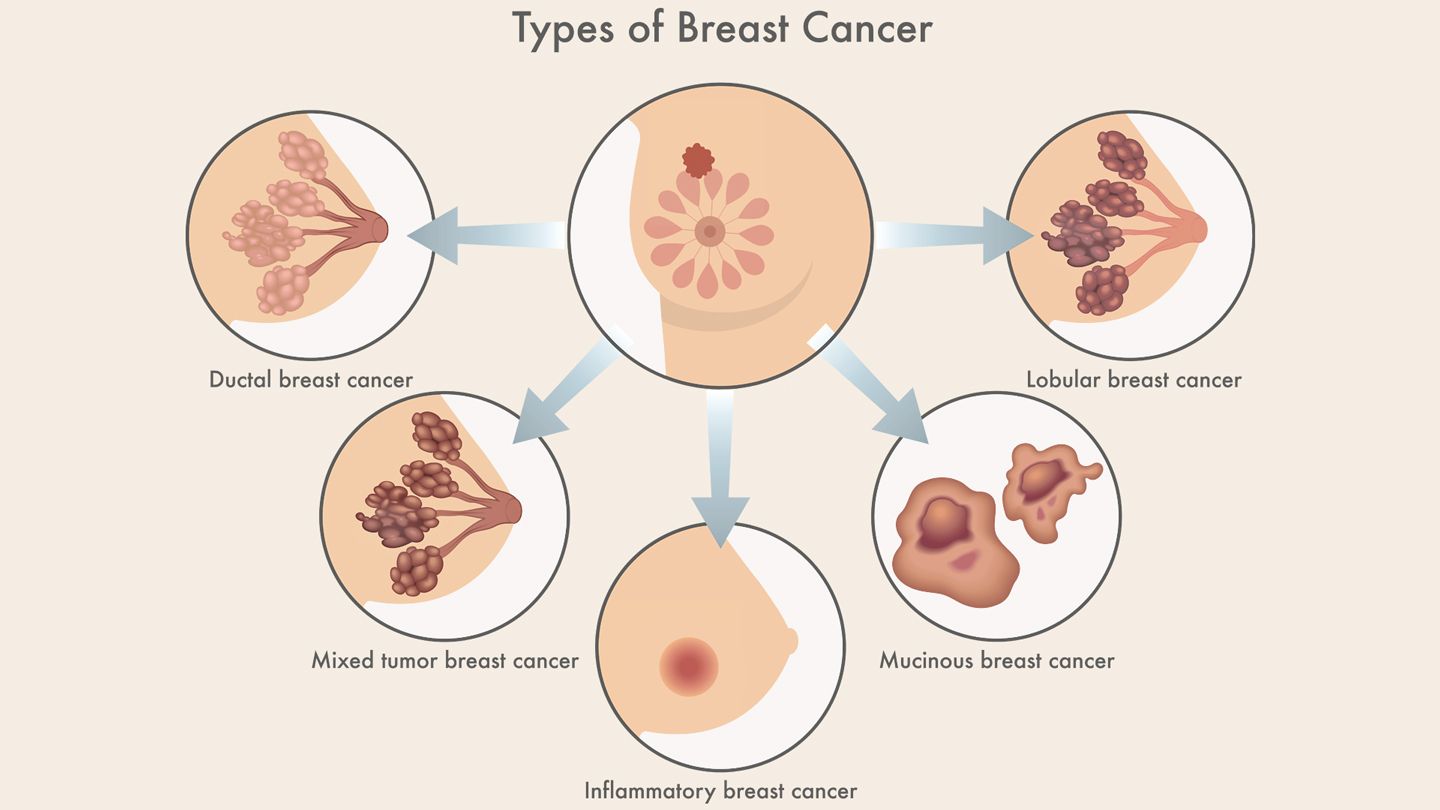
Expert doctors and oncologists divide cancer types into categories to provide adequate breast cancer treatment plans to their patients. Following are some types of breast cancer.
- Invasive Lobular Carcinoma (ILC): In this type of breast cancer, cancer cells start to grow in the milk-forming glands and can spread to other parts of the body.
- Invasive Ductal Carcinoma (IDC): It is the most common type of breast cancer, which starts to begin in the milk ducts and spreads and invades other tissues that are nearer.
- Ductal Carcinoma In Situ (DCIS) and Lobular carcinoma In Situ (LCIS) This is a type of early-stage cancer found in the lining of breast ducts But the main feature of this cancer is that it will not spread outside.
At North Houston Cancer Clinics, all doctors and experts are specialized to perform highly innovative diagnostic tests and breast cancer treatment for every patient. We promise to provide the best support and care to our patients.
Risk factors that increases the likelihood of breast cancer
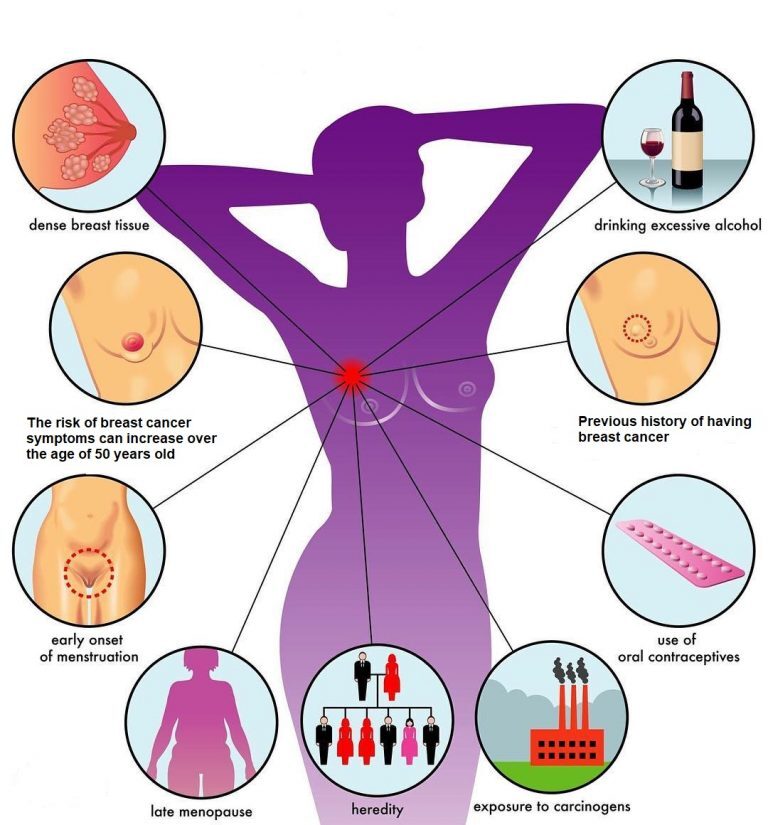
Breast cancer develops because of many different factors. Many people develop breast cancer without having any risks or causes. Following are some characteristics of breast cancer.
- Being female is a risk factor, as breast cancer is more likely to occur in women than men.
- Old Age: Breast cancer diagnosis shows that more people are more prone to getting breast cancer.
- Inherited Genes: These two gene mutations ( BRCA1 and BRCA2) are more likely to increase the risk of breast cancer. These genes pass from parents to their offspring and increase the chances of breast cancer occurrence.

Signs & Symptoms of Breast Cancer
When breast cancer progresses, it can present with a variety of symptoms. However, most individuals will not exhibit any notable signs during the early stages of cancer development.
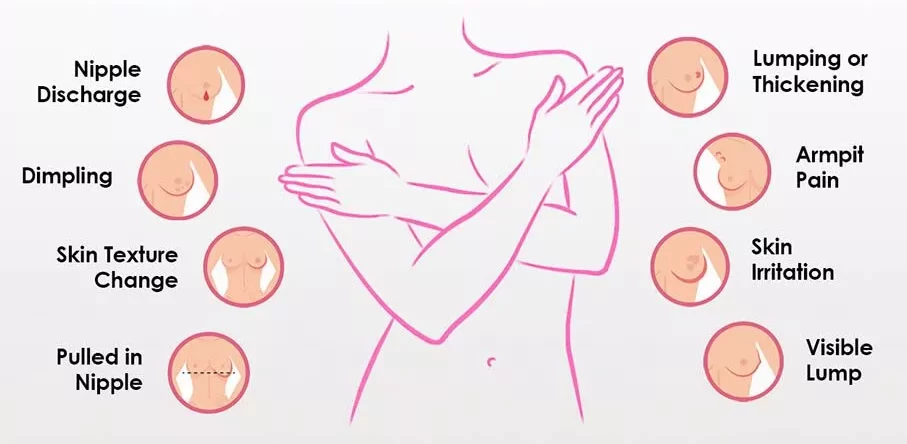
Breast cancer symptoms may consist of:
- A swelling or density in the breast, frequently asymptomatic.
- Modification in the mammary gland’s dimensions, configuration, or outward aspect.
- Skin changes such as dimpling, redness, or pitting are observed.
- Modification in the physical aspect of the nipple or areolar tissue.
- The discharge from the nipple is either unusual or contains blood.
- Individuals need to obtain medical attention if they possess an unusual breast lump, regardless of whether or not it is painful.
- Breast lumps are typically non-cancerous. If a breast lump is cancerous, early detection and treatment increase the likelihood of successful intervention before it spreads to neighbouring lymph nodes.
Staging Of Breast Cancer
Pathologic staging is the standard way to stage breast cancer. It’s based on a pathologist’s study of the tumor tissue and any lymph nodes removed during surgery.
Clinical staging includes results from a health care provider’s physical exam, tests and/or imaging, such as mammography. Sometimes, these findings may add to the pathologist’s findings and may help with staging.
The main method of pathologic staging for breast cancer is the TNM system.
TNM system of staging stands for:
- T = Tumor size
- N = Lymph Node status (the number and location of lymph nodes with cancer)
- M = Metastases (whether or not the cancer has spread to other parts of the body)
There are 4 stages in breast cancer and depending on the size of tumor , number of involved lymph node and if speeded outside of nodes , breast cancer can be staged
Your cancer prognosis depended on multiple factors , one is staging , second is the grade of your tumor, if high grade means is fast growing, and biological markers such as ER , PR and Her2neu status , these are among few factors that Dr Abbasi will discuss with you upon your visit to make sure you have a clear understanding about your cancer and actively participating in your treatment journey.
Common Causes of Breast Cancer
The leading cause of breast cancer is when normal cells start growing abnormally. They grow uncontrolled and often form complex, painful, mass-like structures and lumps in the breast. These lumps cause so much pain in the chest.
After thorough research, it has been reported that different factors play a vital role in causing breast cancer, which may include:
- Environmental factors
- Hormonal Factors
- Lifestyle Changes
- Genetic Factors
Types of cancer we treat in North Houston Cancer Clinics
Frequently Asked Question
Breast cancer cannot be cured 100%, but you can start managing it by breast cancer treatments by early detection. It can never be said that breast cancer won’t come back. However, early breast cancer diagnosis helps in effective treatment and gives patients a better life.
Most of the time, breast cancer seems to be painless. It is a soft round mass inside your breast. Sometimes, it appears to be a rigid mass, but it is still effortless.
Breast cancer has been the second cause of death among Hispanic women. Each year, thousands of cases have been reported with breast cancer, but we can say that there is a decrease in the deaths caused by breast cancer because of new and improved treatment and diagnostic plans.
A mammogram is a breast cancer diagnosis test that X-rays of the breast can do. If anyone feels a change in the typical structure of the breast, they must go to the doctor for a checkup. A mammogram can find the changes that occur in your breasts.
